Exploring State Capitals
- Adventure through 50 states
- Learn each state's capital
- Capitals like Austin in Texas, and Denver in Colorado
- Discover geography's role
- Geography helps us see where each state and capital is located
- Importance of state capitals
- Capitals are where state leaders work and make laws
This slide is designed to spark excitement about learning all 50 state capitals. It's an adventure that will take students across the country, from the sunny beaches of Honolulu, Hawaii, to the snowy mountains of Juneau, Alaska. Understanding geography will help students visualize where each state is on the map. Discuss why state capitals are significant: they are not just places on a map, but centers of government, history, and culture for each state. Encourage students to think about their own state capital and what makes it special. This will set the foundation for learning all the capitals and appreciating the diversity of our country.
Exploring State Capitals
- What is a state capital?
- It's the city where a state's government is based.
- Functions of a state capital
- They host the capitol building & state leaders' offices.
- Examples: Sacramento & Austin
- Sacramento is California's capital, Austin is Texas's.
- Why capitals are important
This slide introduces the concept of state capitals to third-grade students. Begin by defining a state capital as the city where the government of a state is located, including the governor's office and the state legislature. Discuss the roles and functions of a state capital, such as being the location for political decisions and state-wide events. Provide examples of state capitals like Sacramento for California and Austin for Texas to give students concrete references. Explain the significance of capitals as centers of state government and symbols of state history and identity. Encourage students to think of the capital of their own state and what they might find there, such as historical buildings and monuments.
Memorizing State Capitals with Mnemonics
- What are Mnemonics?
- Memory tools to help us remember facts
- 'SMJR' helps remember capitals
- 'Silly Monkeys Jump Randomly' stands for Santa Fe, Montpelier, Juneau, Raleigh
- Create your own Mnemonic
- Pick 5 capitals and make a fun phrase
- Share your Mnemonic with the class
This slide introduces the concept of mnemonics as a fun and effective memory aid to help students remember the state capitals. Start by explaining what mnemonics are and how they can turn difficult-to-remember lists into simple, catchy phrases. Use the example 'SMJR' to illustrate how the first letters of 'Silly Monkeys Jump Randomly' can help students recall Santa Fe, Montpelier, Juneau, and Raleigh. Encourage students to create their own mnemonic for five state capitals, ensuring they understand that the sillier the phrase, the more memorable it will be. In the next class, have students share their mnemonics, which will reinforce their memory and also provide a learning opportunity for their classmates.
Interactive Map Exploration: State Capitals
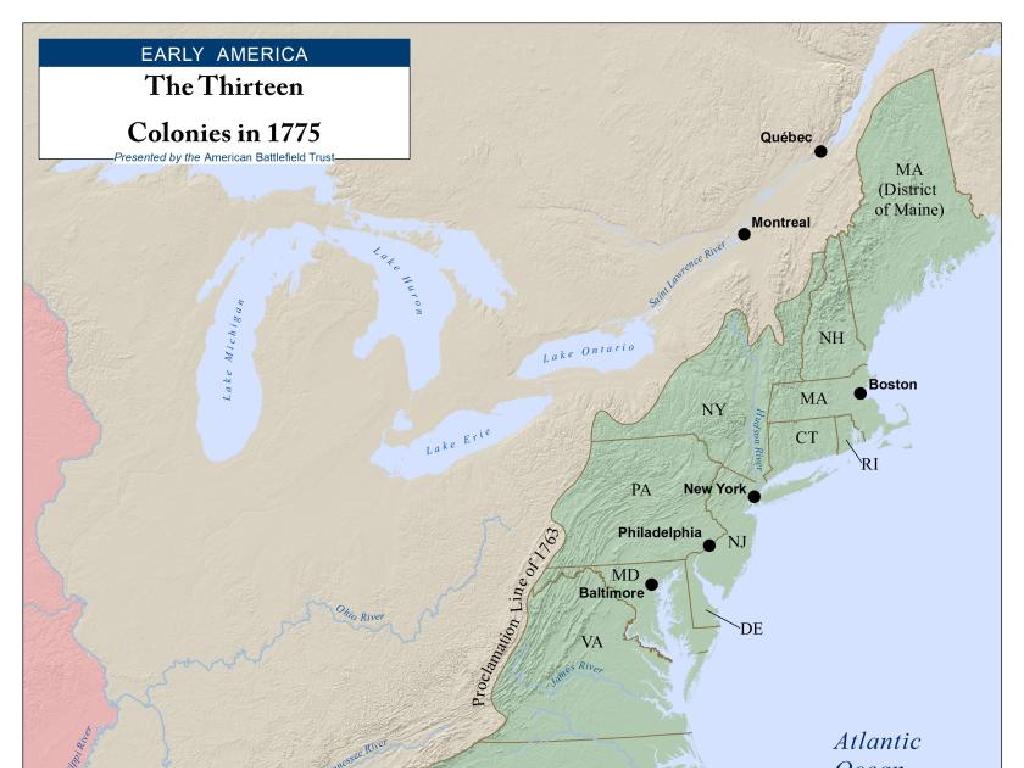
- Locate each state on the map
- Identify each state's capital
- Example: Florida's capital is Tallahassee
- Learn fun facts about each state
- Example: Texas is famous for its large size and cowboy culture
- Engage with the map activity
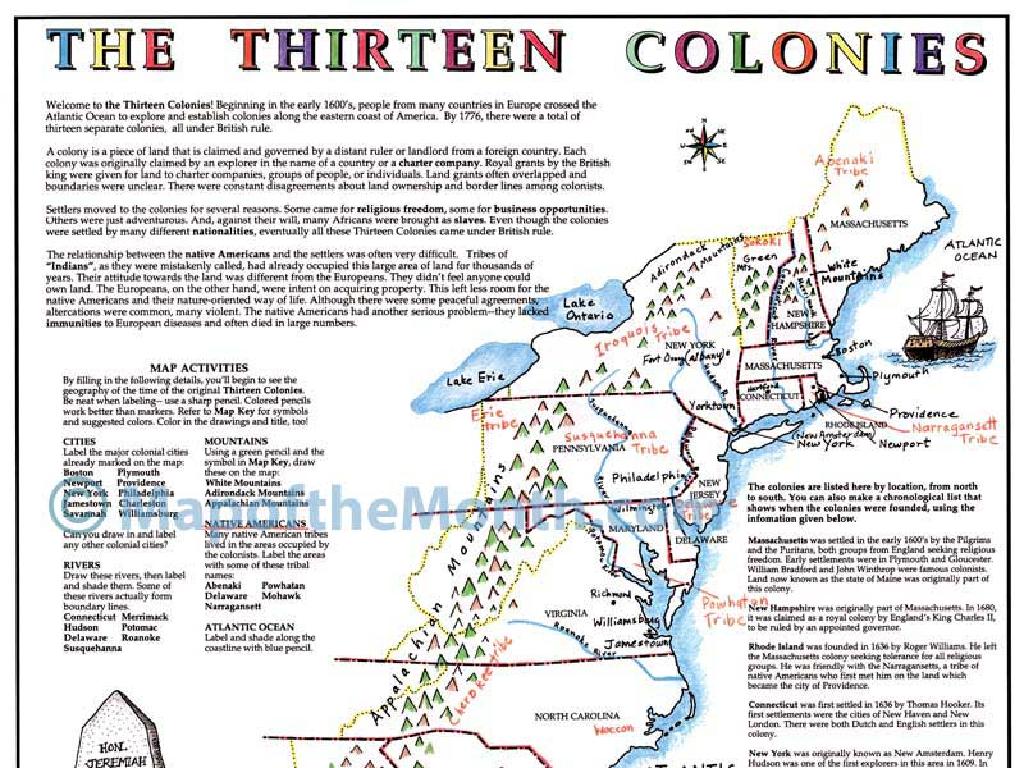
This slide introduces an interactive map activity where students will locate each state on a map of the United States and identify its capital. They will also learn fun facts about each state to make the learning process engaging and memorable. Teachers should prepare an interactive map, either digital or a large physical one, where students can come up and point to states. As they identify each state's capital, share an interesting tidbit about the state to pique their curiosity. This activity will help students visually connect the location of each state with its capital and some unique characteristics, reinforcing their geography and social studies knowledge.
State Capitals Quiz: Test Your Knowledge!
- Start with a fun quiz
- Answer multiple-choice questions
- Questions like: What is the capital of Texas? A) Dallas B) Austin C) Houston D) San Antonio
- Fill in the blank map activity
- Use a blank map of the USA to locate and label each capital
- Review and learn all 50 capitals
- We'll go over the answers together and learn about each capital
This slide introduces a quiz activity to help students review and learn the state capitals. Begin with a multiple-choice quiz to test their current knowledge. Provide a blank map of the United States and ask students to fill in the capitals for each state. This hands-on activity will help reinforce their memorization of the capitals. After the exercise, review the correct answers as a class, ensuring that students have a solid understanding of all 50 state capitals. Encourage participation and make the learning process interactive and enjoyable.
Learning State Capitals Through Song
- Learn the 50 State Capitals Song
- A catchy song that lists all state capitals
- Grasp the tune and lyrics
- Melody helps remember the lyrics
- Sing along as a class
- Group singing makes learning fun
- Memorize capitals with music
This slide introduces a fun and interactive way to learn the 50 state capitals through music. The State Capitals Song is a catchy tune that helps students memorize the names of all the state capitals in the United States. By understanding the melody and lyrics, students can sing along and reinforce their memory of the capitals. Singing as a class promotes participation and can make the learning process enjoyable. Encourage students to practice the song at home as well. As an extension activity, students can create their own verses or a dance routine to accompany the song, further enhancing their engagement and retention of the state capitals.
Class Activity: State Capital Bingo
- Receive your Bingo card
- Listen for your state's capital
- Mark the capital on your card
- Shout 'Bingo!' when you complete a row
This interactive class activity is designed to help students learn the state capitals in a fun and engaging way. Each student will receive a Bingo card with a random selection of state capitals. The teacher will call out states one by one, and students will have to listen carefully and mark the corresponding capital on their Bingo card. The first student to mark off a complete row—horizontal, vertical, or diagonal—and shout 'Bingo!' wins the game. For the teacher: Prepare Bingo cards in advance, ensure each card is unique, and have a list of states and their capitals ready for calling out. Consider having small prizes for winners to make the game more exciting. Additionally, have a few variations of the game ready, such as 'four corners' or 'full card' Bingo, to keep the activity fresh and engaging.
Conclusion: State Capitals Recap
- Review all 50 state capitals
- Importance of state capitals
- Capitals are key for maps and travel
- Get ready for a geography quiz!
- Study to ace tomorrow's challenge
- Recap today's learning
- Let's remember what we've learned
This slide aims to summarize the lesson on the 50 state capitals. It's important to go over the capitals again to reinforce the students' memory. Discuss why knowing the capitals is important; for example, it helps with understanding geography, navigation, and cultural identity. Encourage the students to study for the upcoming geography challenge, making it sound exciting and fun. Use this opportunity to review the content covered today, asking students to recall some of the capitals learned and possibly share any mnemonic devices or tricks they've used to remember them. This will help ensure they are prepared and confident for tomorrow's quiz.